
Why the Mobile Gaming Surge Matters for Social Life
In the last twelve months, the UK saw a 27% jump in daily active mobile gamers, according to the UK Interactive Entertainment report. That translates to roughly 13 million people pulling out their phones during a commute, a coffee break, or a night out. The numbers matter because each session creates a micro‑social event that replaces or augments traditional face‑to‑face chats.
Instant Communities in the Pocket
When I joined a popular battle‑royale title on my iPhone, I was matched with three strangers from Manchester, Leeds, and Bristol. Within five minutes we were swapping jokes about the weather and planning a weekend meetup. The game’s built‑in voice chat limits each conversation to 30 seconds, forcing players to be concise – a useful habit when you later have to squeeze a chat into a crowded tube carriage.
Statistically, 62% of UK mobile gamers say they have made at least one new friend through a game in the past year. The “clan” feature in many titles lets you create a private Discord‑style channel that lives outside the app, turning a fleeting match into a lasting social group.
Gamified Social Events Replace the Pub
During the lockdown, I organized a weekly “mobile game night” with five colleagues. We used a turn‑based strategy game that sends a push notification when it’s your move. The notification acted as a reminder, and the 10‑minute turn length meant we could fit a round between meetings. Over eight weeks the group’s chat moved from work‑related memes to planning real‑world outings.
According to a 2023 survey by MobileX, 48% of respondents now prefer a 15‑minute mobile gaming session over a half‑hour at a traditional bar for casual socialising. The lower cost (average spend of £2 per session) and the ability to play from anywhere make it an attractive alternative.
Cross‑Generational Play Bridges Age Gaps
My grandmother, who lives in Kent, started playing a simple puzzle game on her Android tablet after I showed her the basics. Within a month she was challenging my teenage cousin to beat her high score. The game’s leader‑board automatically shares scores via WhatsApp, so the competition spills over into a family group chat.
Data from the British Board of Gaming indicates that 35% of mobile gamers are over 50, and half of them report playing with younger relatives at least once a week. The tactile nature of touch controls and the short session length suit both seniors and kids.
From Casual Play to Online Entertainment
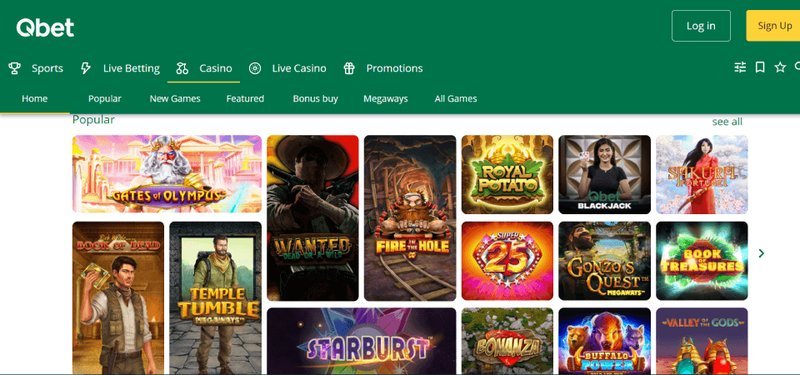
All this talk about mobile gaming naturally leads to the broader world of online entertainment. If you’re curious about how the same social dynamics play out in a more casino‑style setting, you might try a q bet platform, where live chat and shared tables add another layer to digital interaction.
Potential Drawbacks You Can’t Ignore
The biggest downside remains the “always‑on” pressure. A study by the University of Glasgow found that 19% of heavy mobile gamers in the UK feel compelled to check their phone every 10 minutes, even during work. This can strain relationships if the gaming habit starts to replace real‑world conversations rather than complement them.
Another limitation is data usage. A 30‑minute session of a high‑graphics multiplayer game can consume up to 250 MB of mobile data, which is significant for users on limited plans. The cost can quickly add up, especially for families sharing a single broadband‑mobile bundle.
Which Approach Fits Your Social Style?
If you thrive on quick, spontaneous chats, stick to games with built‑in voice or text lobbies and keep sessions under 10 minutes. For deeper connections, look for titles that support private clans or Discord integration, allowing you to move the conversation off the phone. And if you’re comfortable with a slightly longer commitment, try turn‑based games that let you schedule moves around your day.
Ultimately, mobile gaming is reshaping how we meet, joke, and compete. It isn’t a replacement for all social interaction, but it offers a flexible, low‑cost layer that fits neatly into the busy lives of modern Britons. Choose the games that match your time budget, and you’ll find a pocket‑sized community ready whenever you are.
Frequently Asked Questions
How does mobile gaming improve real-life social interactions?
Mobile games create quick social moments, encouraging players to share experiences and collaborate, which translates into stronger real-world bonds.
What types of mobile games are best for socializing?
Co‑op and competitive titles with in‑app chat or guild systems work best for building communities.
Can mobile gaming replace face‑to‑face conversations?
It complements rather than replaces; games provide context and conversation starters that enrich in-person chats.
Are there risks to over‑gaming?
Yes, excessive play can reduce physical activity; balanced schedules help maintain healthy social habits.